
Starting a safety workwear brand is a compelling opportunity for entrepreneurs who understand industrial procurement, e-commerce, or B2B distribution. The global personal protective equipment (PPE) market is projected to exceed $80 billion by 2030, with high visibility clothing representing a fast-growing segment driven by stricter workplace safety regulations worldwide. But launching a private label workwear brand requires more than sourcing cheap vests and putting a logo on them. This guide walks you through every step — from market analysis to OEM partner selection, certification, branding, pricing, and sales channels — to help you launch a hi-vis brand that lasts.
Step 1: Market Research and Niche Selection
The safety workwear market is broad, and trying to serve everyone is a common beginner mistake. Start by identifying a specific niche where you can build expertise and differentiation.
- Construction and infrastructure: The largest segment, driven by government infrastructure spending. Competitive but high volume. Products: Class 2 vests, t-shirts, jackets.
- Logistics and warehousing: Booming due to e-commerce growth. Requires comfortable, breathable hi-vis for indoor and yard use. Products: polos, t-shirts, lightweight vests.
- Oil, gas, and utilities: High-barrier niche requiring FR-rated and dual-standard certification. Higher margins and longer sales cycles. Products: FR coveralls, heavy-duty jackets.
- Public safety and emergency services: Requires Type P ANSI compliance and specialized features (breakaway, badge holders, microphone tabs). Often government-contract driven.
- Corporate and event hi-vis: Lower certification requirements but higher design expectations. Branded hi-vis for festivals, parking companies, and facility management. Products: custom color vests, sublimated polos.
- Sustainable workwear: An emerging niche using recycled polyester and bluesign® or OEKO-TEX certified fabrics. Appeals to ESG-focused corporate buyers in Europe and North America.
Research your target market's regulatory environment, key competitors, and price points. Identify gaps — perhaps no one is offering a female-fit hi-vis line, or no brand in your region stocks size-inclusive options from XS to 5XL. The more specific your niche, the easier it is to target customers and build brand recognition.
Step 2: Product Line Planning
Start with a focused product range rather than trying to offer everything. A typical launch catalog for a new private label workwear brand includes 5–10 SKUs across three categories:
| Category | Products | Target Certification | Priority |
|---|---|---|---|
| Core vests | Class 2 surveyor vest, Class 2 mesh vest, Class 3 executive vest | ANSI 107 / EN ISO 20471 | Must-have |
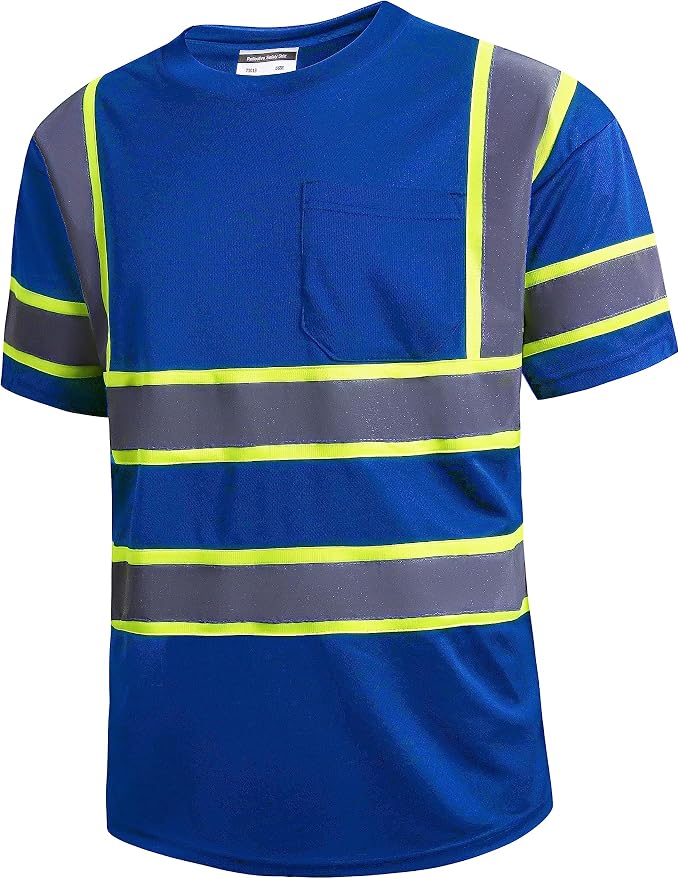
| Apparel | Hi-vis polo shirt, short-sleeve t-shirt, long-sleeve shirt | ANSI 107 / EN ISO 20471 | Must-have |
| Outerwear | Hi-vis rain jacket, bomber jacket, interchange 3-in-1 | ANSI 107 + EN 343 | Phase 2 |
| Accessories | Hi-vis caps, armbands, backpack covers | EN 17353 (ancillary) | Add-on |
When planning your line, consider seasonality. Vests and t-shirts sell year-round, but jacket orders peak in late summer and early autumn as buyers prepare for winter. Plan your production calendar so that winter inventory arrives by August or September.
Step 3: Finding the Right OEM Partner
Your OEM manufacturer is the most important partner in your business. The right factory delivers consistent quality, on-time shipments, and the flexibility to grow with you. The wrong one creates quality disputes, delayed launches, and reputational damage.
Here is what to evaluate when choosing a private label workwear manufacturer:
- Relevant experience: How many years have they produced hi-vis workwear? Do they understand ANSI and EN ISO standards? Can they provide third-party test reports? A factory that primarily produces fast-fashion t-shirts may not have the quality systems for certified safety apparel.
- Certification and compliance: Can they produce CE-certified and ANSI/ISEA 107-compliant products? Do they work with accredited labs (SGS, Intertek, TÜV, Bureau Veritas)? Ask for existing certificates and verify the Notified Body number.
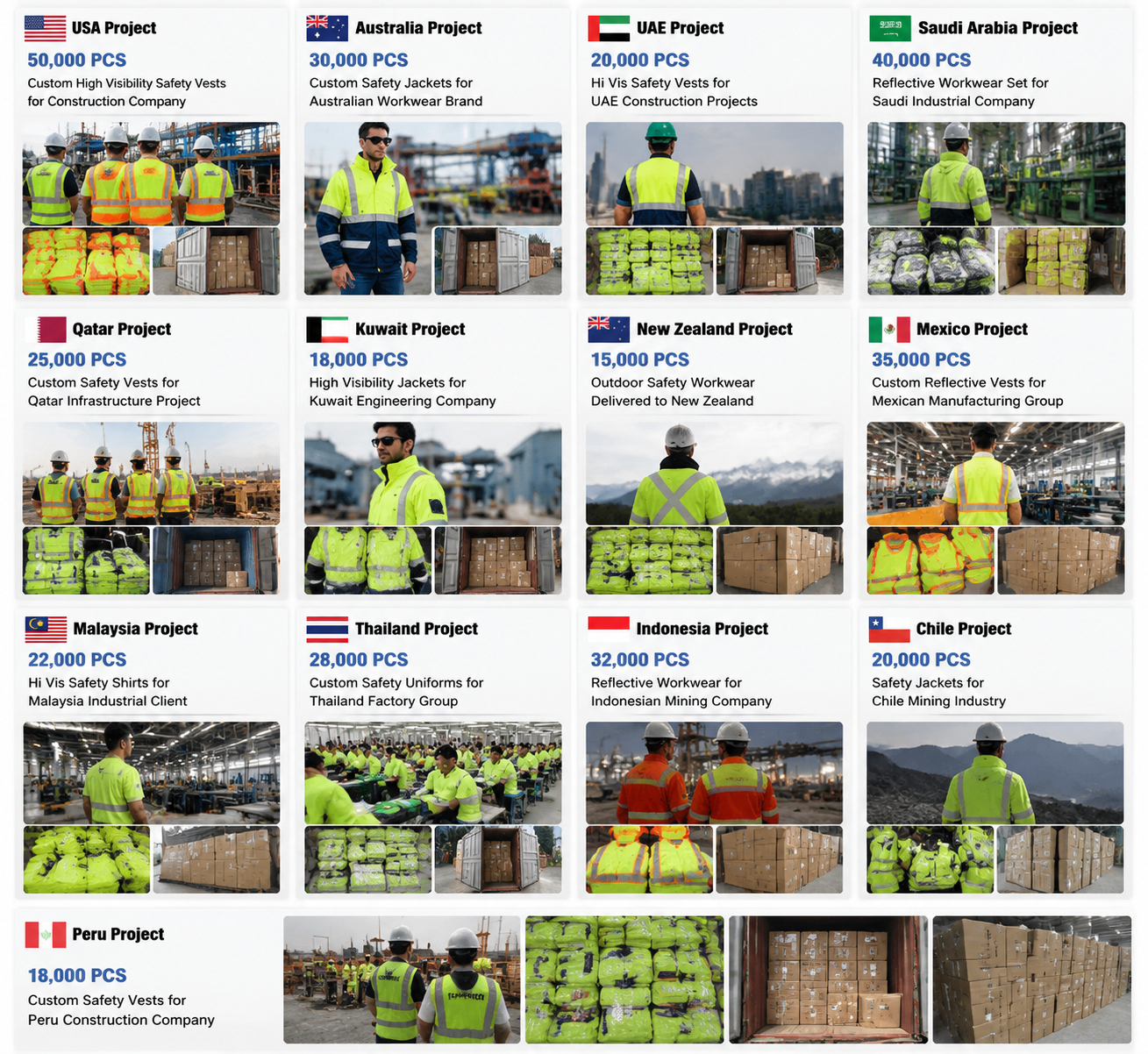
- Production capacity: What is their monthly output? Can they scale from a 500-piece trial order to 10,000+ pieces per month as you grow? A factory with 50,000+ pieces per month capacity gives you room to scale without switching suppliers.
- OEM/ODM capability: Can they develop custom patterns, source custom fabrics and trims, produce private-label packaging, and offer design support? Or do they only sell stock items with a print-on-logo service?
- Communication: Is there a dedicated account manager who speaks your language? Do they respond to emails within 24 hours? Communication gaps are the source of most production problems.
- Location and supply chain: Factories in established garment clusters — such as Shaxi in Zhongshan, Guangdong — have faster access to fabric, reflective tape, and trim suppliers, reducing lead times and material costs.
Step 4: Sample Development
Once you have selected a factory, the sample development process begins. Prepare a comprehensive tech pack for each product that includes:
- Technical sketches (front and back)
- Detailed measurement specs with tolerances
- Fabric type, weight, composition, and color (Pantone code)
- Reflective tape specification (brand, width, placement)
- Hardware and trim details (zippers, Velcro, snaps, drawcords)
- Logo artwork in vector format (AI or EPS)
- Label and hangtag designs
- Packaging specifications (polybags, carton markings, assortment)
Expect two to three rounds of samples before finalizing each style. Evaluate samples for fit, fabric quality, tape application, stitching, and overall finish. Wash-test one sample to verify durability. Do not approve bulk production until you are satisfied with the pre-production (PP) sample made from actual production materials. For a detailed breakdown, see our guide on custom safety vests from China.
Step 5: Certification and Compliance
Certification is non-negotiable in safety workwear. Selling non-compliant hi-vis can result in product seizures, fines, and — most seriously — liability if a worker is injured while wearing your product.
- For the EU market: Products must comply with Regulation (EU) 2016/425 on Personal Protective Equipment. This requires an EU Type-Examination Certificate from a Notified Body, ongoing factory surveillance, and a signed Declaration of Conformity. The CE mark must be affixed to the garment.
- For the US market: ANSI/ISEA 107 is a voluntary consensus standard, but it is mandated by federal regulations (23 CFR 634 for highway workers) and many state and municipal procurement contracts. Third-party testing by an ISO 17025-accredited lab is strongly recommended.
- For the UK market: Post-Brexit, the UKCA mark is required for products sold in Great Britain, alongside the EN ISO 20471 standard. UK-approved bodies issue UKCA certificates.
Budget $1,500–$5,000 per product style for third-party testing and certification, depending on the standard and the number of variants. For a deep dive into the two major standards, read our ANSI 107 vs EN ISO 20471 comparison.
Step 6: Packaging and Branding
Your packaging is the first physical touchpoint customers have with your brand. For B2B workwear, practicality and compliance information matter more than luxury, but professional packaging still sets you apart from generic competitors.
- Individual polybags: Clear or printed with your logo. Include a size sticker and barcode (EAN/UPC) for retail or warehouse scanning.
- Neck labels and woven labels: Replace the factory's generic label with your branded woven label. Include size, country of origin, fiber content, care instructions, and certification marks.
- Hangtags: A professional hangtag reinforces your brand and communicates key features (certification class, fabric technology, sizing guide). Include a QR code linking to your website or care instructions.
- Master cartons: Print your brand name, product code, size assortment, quantity, and country of origin. Use standard export carton construction (double-wall, 5-ply) to withstand ocean freight.
Step 7: Pricing Strategy
Pricing private label workwear requires balancing landed cost, perceived value, and competitive positioning. A common B2B pricing framework uses the following margins:
| Cost Component | Amount (USD) | Notes |
|---|---|---|
| FOB factory price | $3.50 | Per unit, including custom logo and labels |
| Sea freight + duty | $0.80 | Amortized per unit for full container |
| Certification amortization | $0.30 | Spread over first production run |
| Landed cost | $4.60 | Your total cost per unit delivered |
| Wholesale price | $9.00–$12.00 | 2.0–2.6× landed cost (B2B distributor) |
| Retail / end-user price | $18.00–$25.00 | 4–5× landed cost (direct to buyer) |
These figures are illustrative. Your actual costs will depend on fabric, tape quality, order volume, and shipping method. The key principle is to calculate landed cost — not just FOB price — before setting your wholesale and retail prices. Many new brands underprice because they forget to factor in freight, duties, inspection fees, and certification costs.
Step 8: Sales Channels
Diversify your sales channels to reduce dependence on any single source of revenue.
Amazon Business and Amazon Marketplace
Amazon is the fastest way to reach buyers, especially in the United States. Amazon Business specifically targets B2B purchasers with quantity discounts and tax-exempt purchasing. However, competition is fierce, and Amazon's fees (referral fees, FBA fees, storage) can consume 15–25% of revenue. Ensure your listings include all required compliance information and high-quality images showing certification labels.
Your Own E-Commerce Website (Independent Site)
A Shopify, WooCommerce, or custom independent store gives you full control over branding, customer relationships, and margins. It is also essential for B2B buyers who expect to research suppliers online before contacting them. Invest in SEO content — buyer's guides, standards comparisons, and care articles — to attract organic search traffic. The articles in this resource hub are designed to do exactly that.
Distributors and Wholesalers
Building a network of regional safety equipment distributors is the traditional path in workwear. Distributors buy at wholesale prices (typically 2× landed cost) and sell to end users through catalogs and field sales. This channel requires less marketing spend but offers lower margins and less brand control. Attend industry trade shows — such as the NSC Safety Congress & Expo, A+A in Düsseldorf, or Safety & Health Expo in the UK — to meet distributors face to face.
Direct to Corporate and Government Buyers
Bidding on government tenders and corporate supply contracts can provide large, recurring orders. These contracts require certification documentation, consistent quality, and often a local presence or agent. Margins may be lower, but volume and contract duration provide stability.
Step 9: Launch and Scale
Plan your launch with a runway of at least three months of inventory. Start with a soft launch to a small group of customers or a single channel, gather feedback, and refine your products before scaling. Collect reviews and case studies from early customers — social proof is especially powerful in B2B safety purchasing, where buyers are risk-averse and rely on trusted recommendations.
As you scale, reinvest in product development. Add new styles, explore sustainable fabric options, expand your size range, and enter new geographic markets. Your OEM partner should be able to scale production with you — ideally without requiring you to switch factories, which risks quality inconsistency.